Process
HAVEN Leather Craftmanship
A Long Tradition of Leathercraft
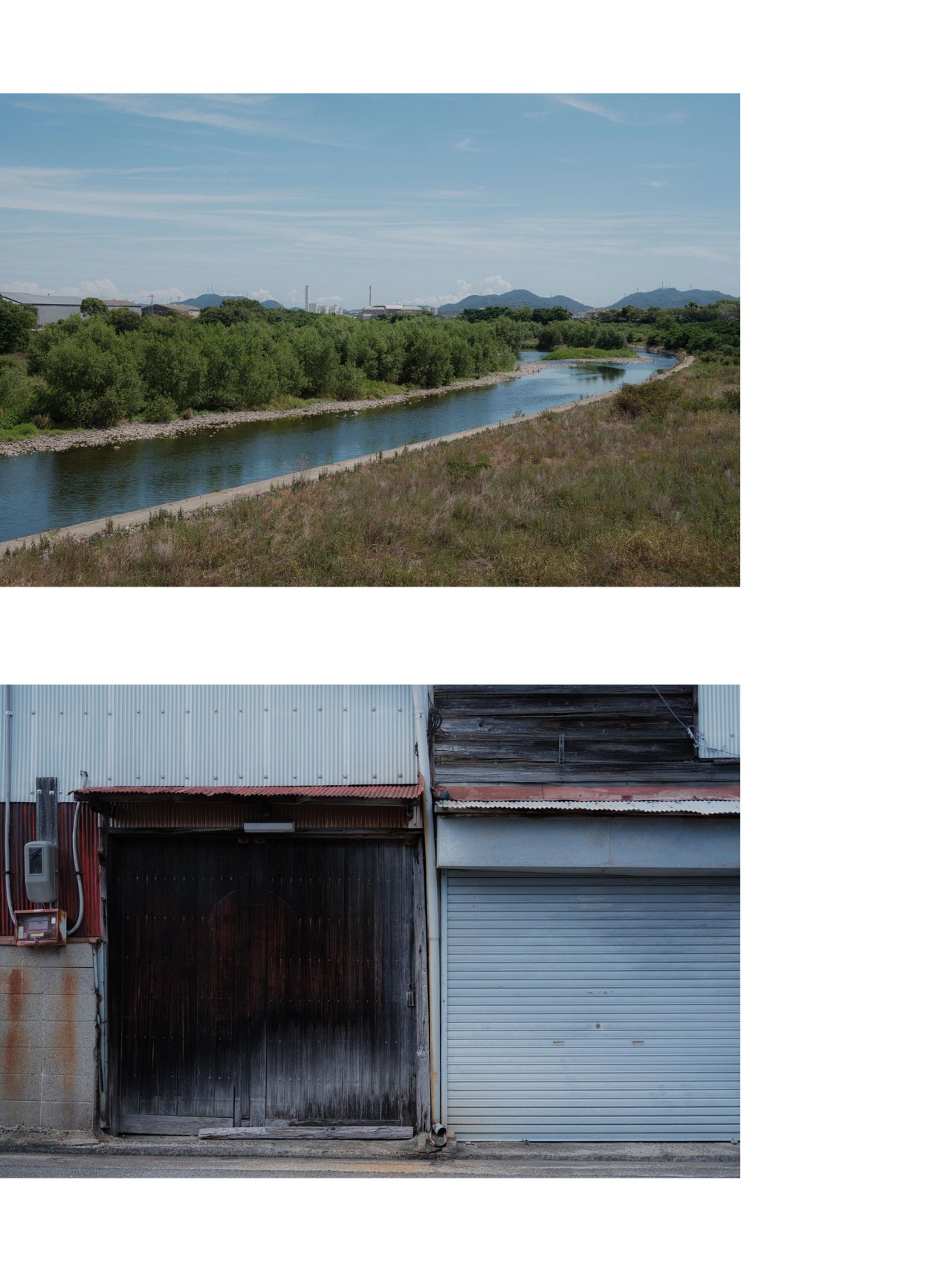
Himeji, in Hyōgo Prefecture, has been synonymous with leathercraft for more than a thousand years. Part of the historic Harima region, the city’s leatherworking traditions can be traced to the Heian period, when Harima was recorded as a centre of leather production in the Engishiki, a 50-volume compilation of Japanese laws, customs, and regulations completed in 927. Over the centuries, leather became an important part of life in Himeji, used for everything from armour and horse tack to everyday goods. The region’s distinctive white-tanned leather, known as Himeji-tan, became particularly renowned, while the knowledge and craftsmanship developed through generations continue to shape Himeji’s leather industry today.
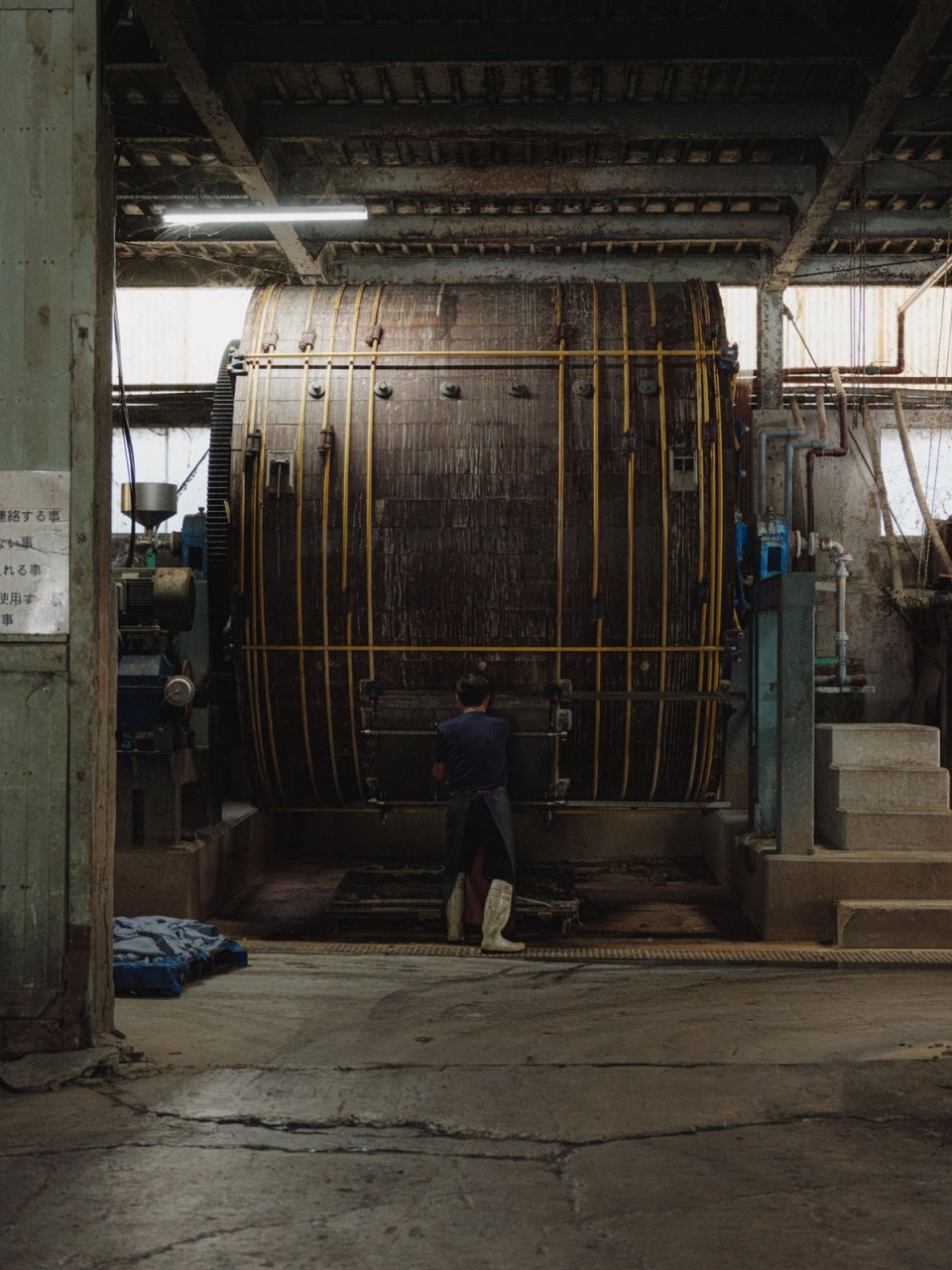
It is within this longstanding culture of leathercraft that the materials for our Turbine Jacket and Station Jacket Type 01 begin their journey. Transforming a raw hide into supple, durable leather is a gradual process requiring precision at every stage. From preparation and tanning through dyeing, conditioning, and finishing, each step changes the character of the hide while preparing it for the next. The process relies not only on specialized machinery, but on the experience of craftspeople who understand how the material should look, feel, and respond throughout its transformation.

Preparing the Hide
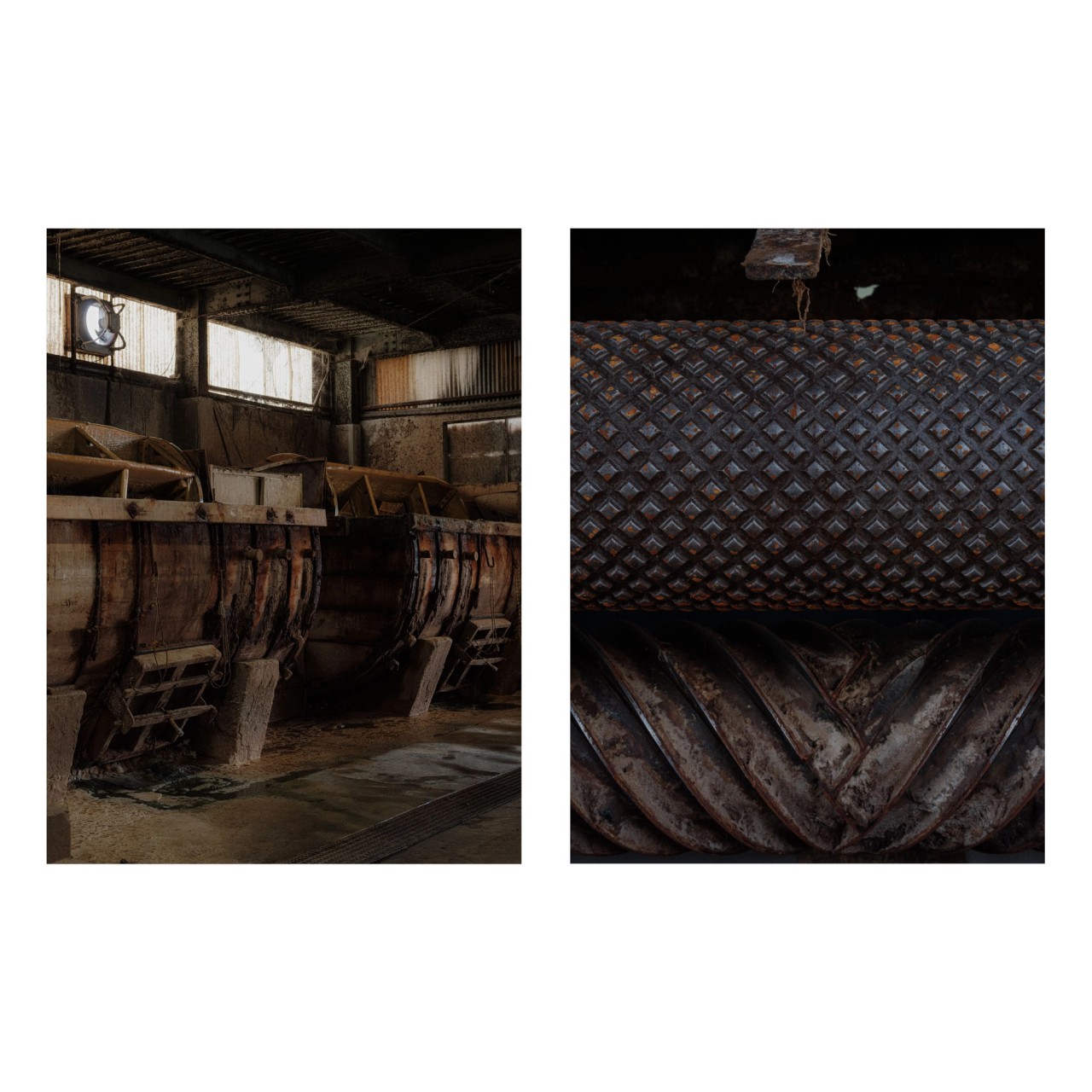
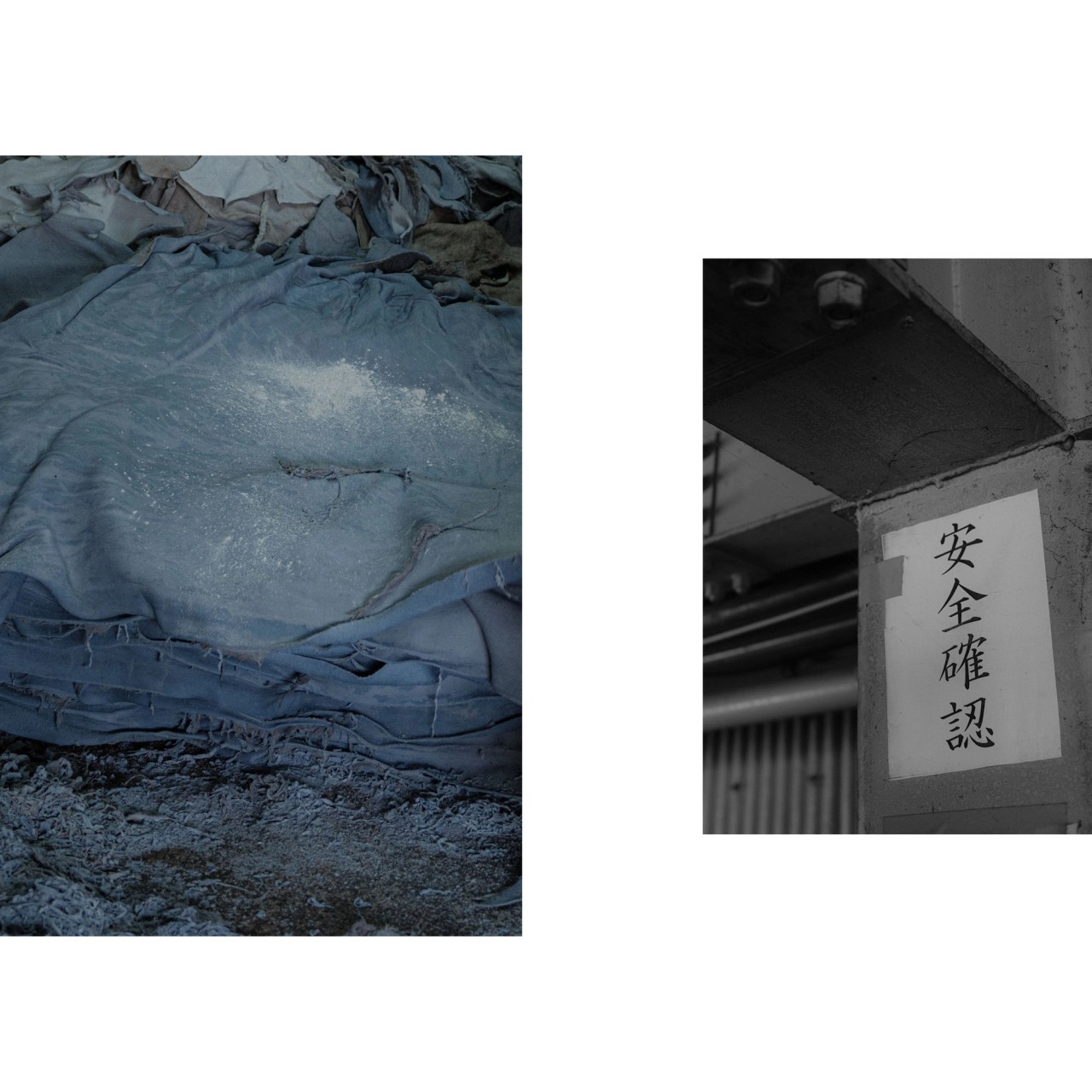
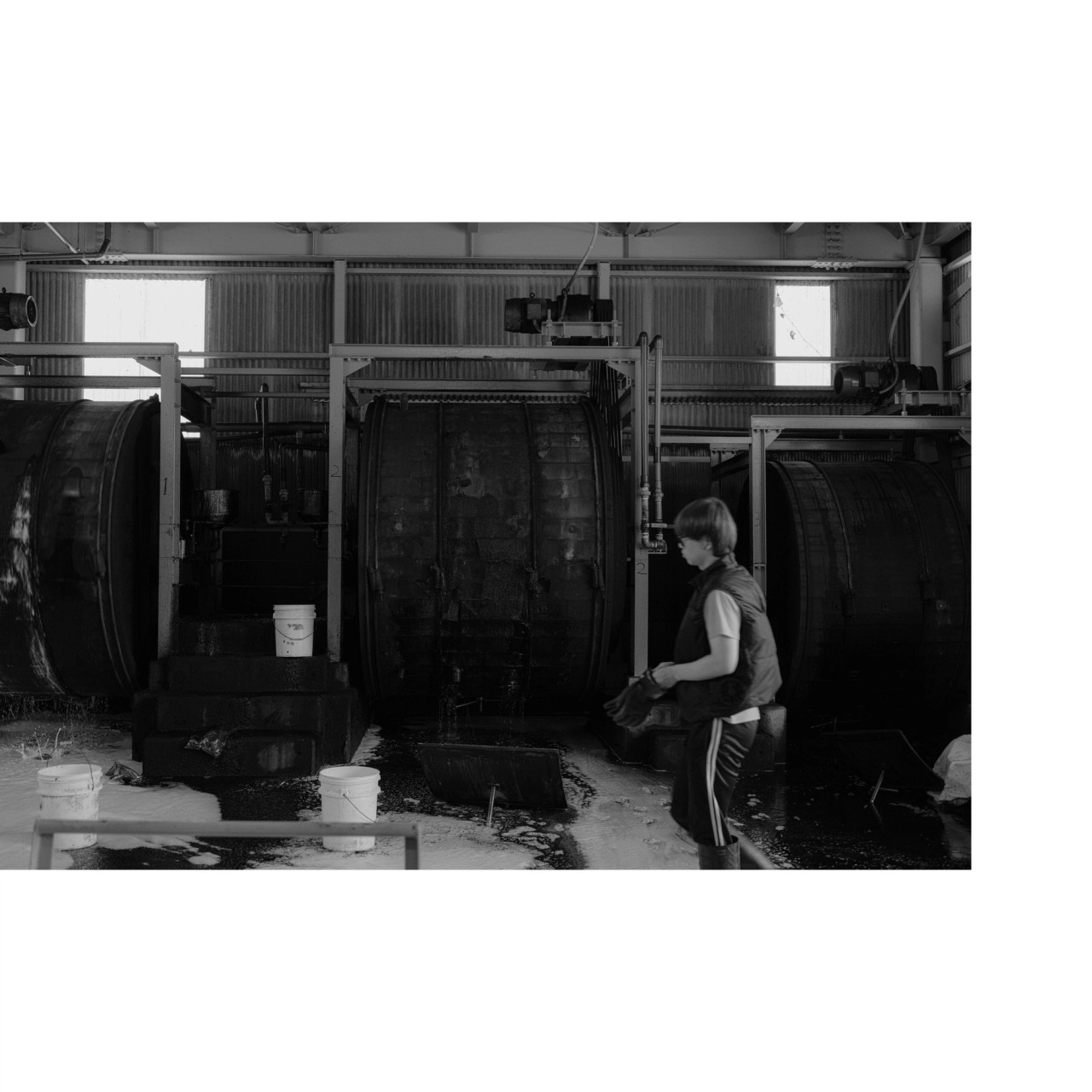
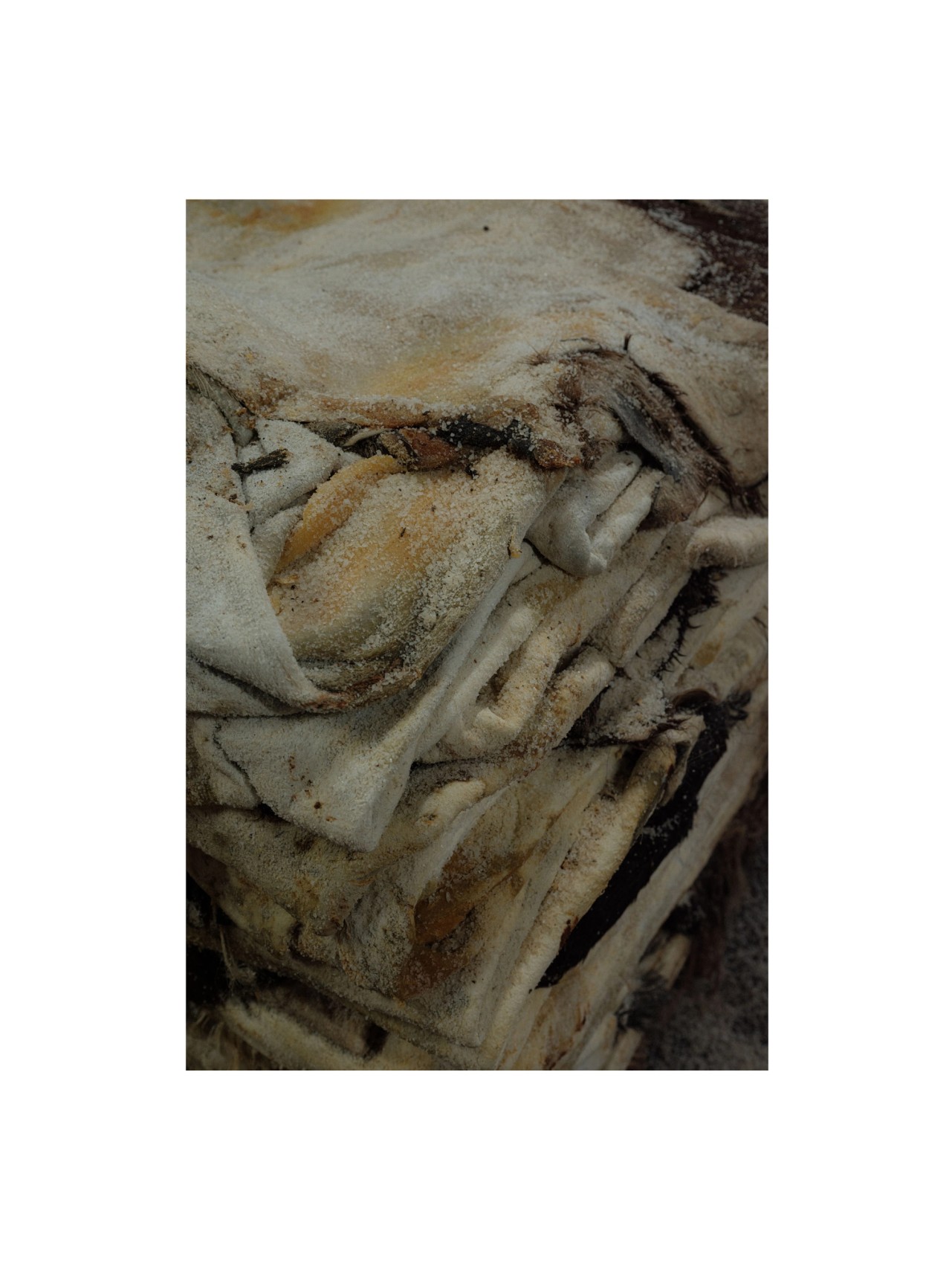
The process begins with preparing the raw hide. Large drums restore moisture and remove dirt and salt before lime is introduced to loosen the collagen fibres and remove the hair. Once cleaned, the hides pass through a fleshing machine, where excess tissue and fat are removed from the underside. Deliming and bating then neutralize the alkaline lime and soften the fibres, leaving the hide prepared for tanning.




Transforming Hide into Leather
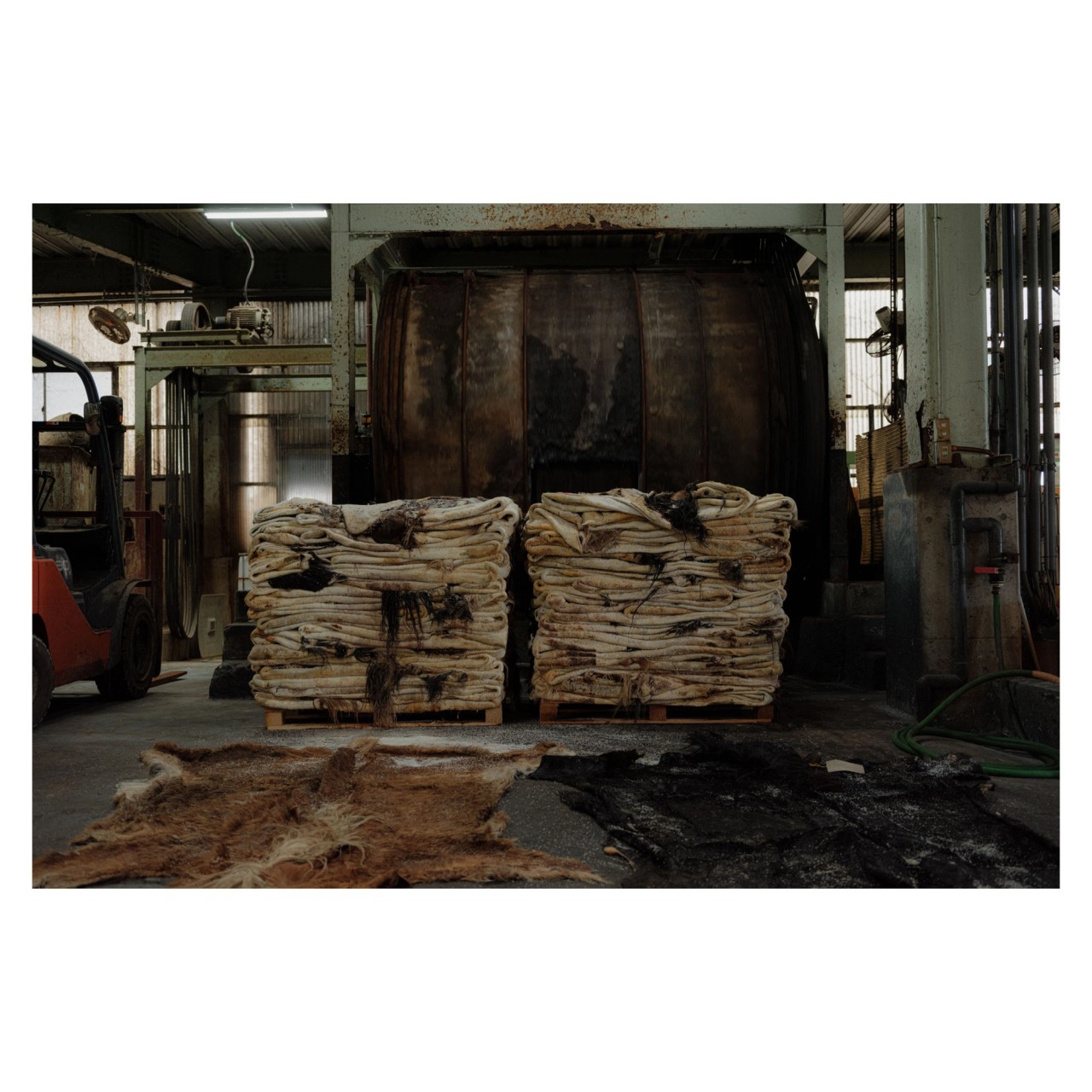
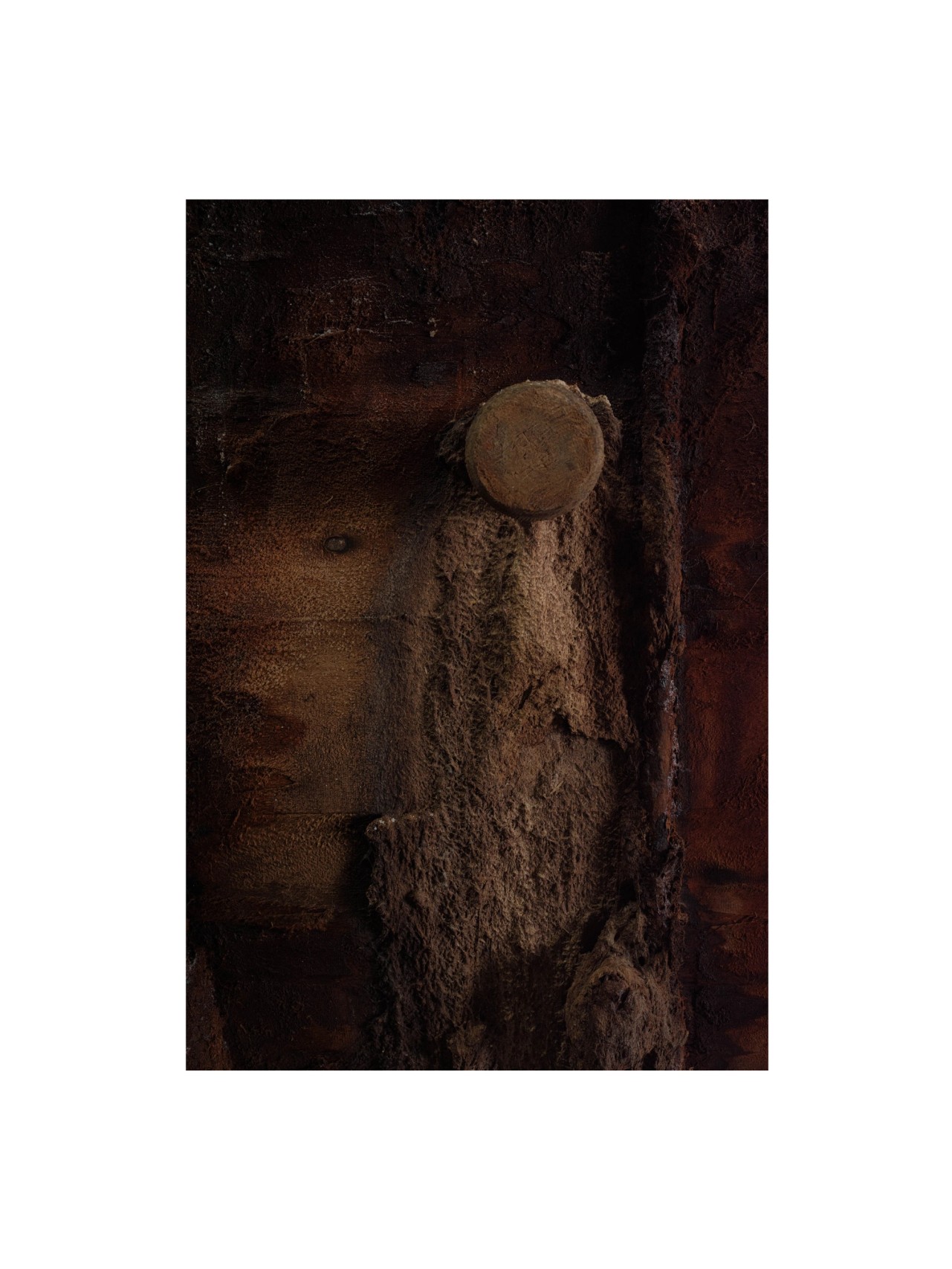
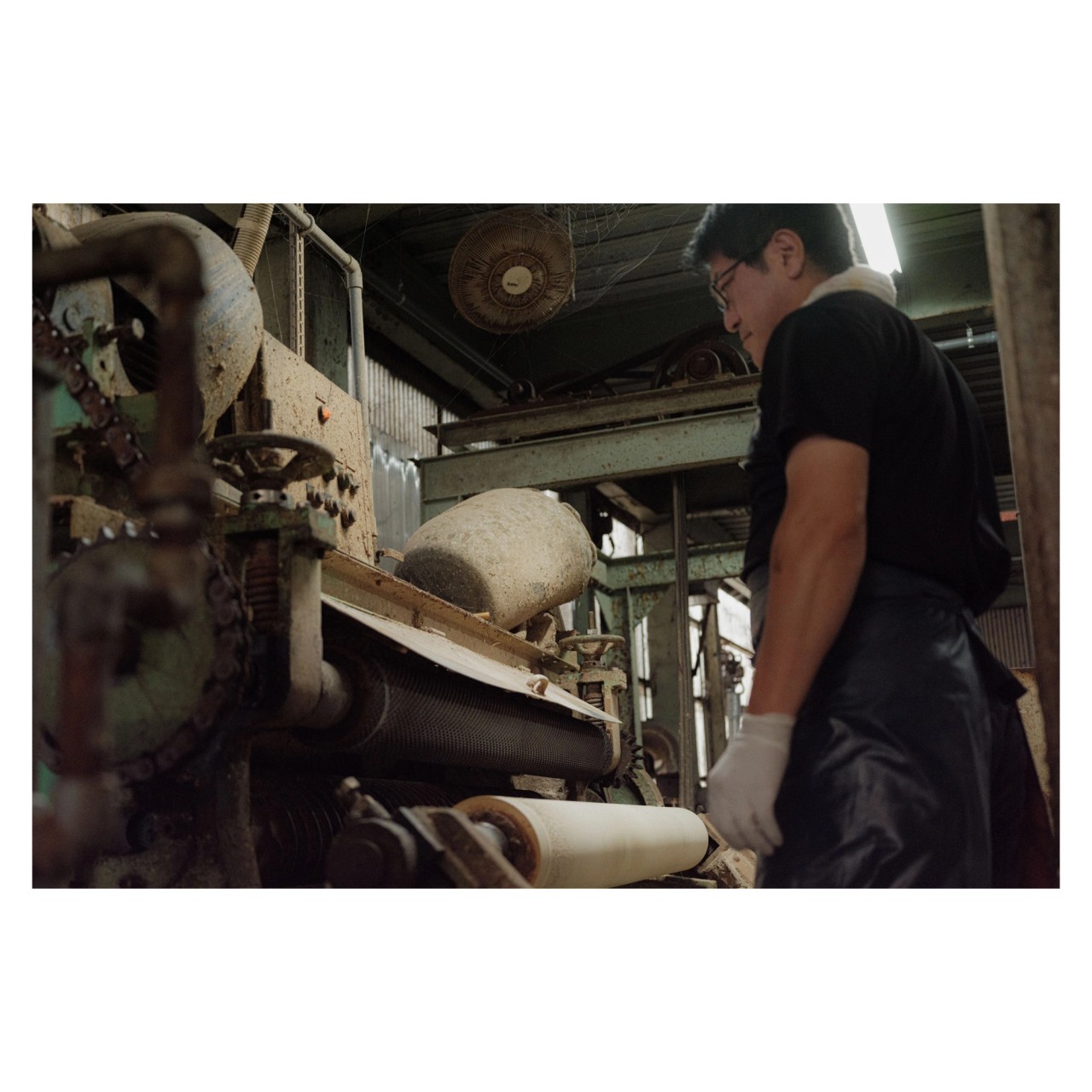
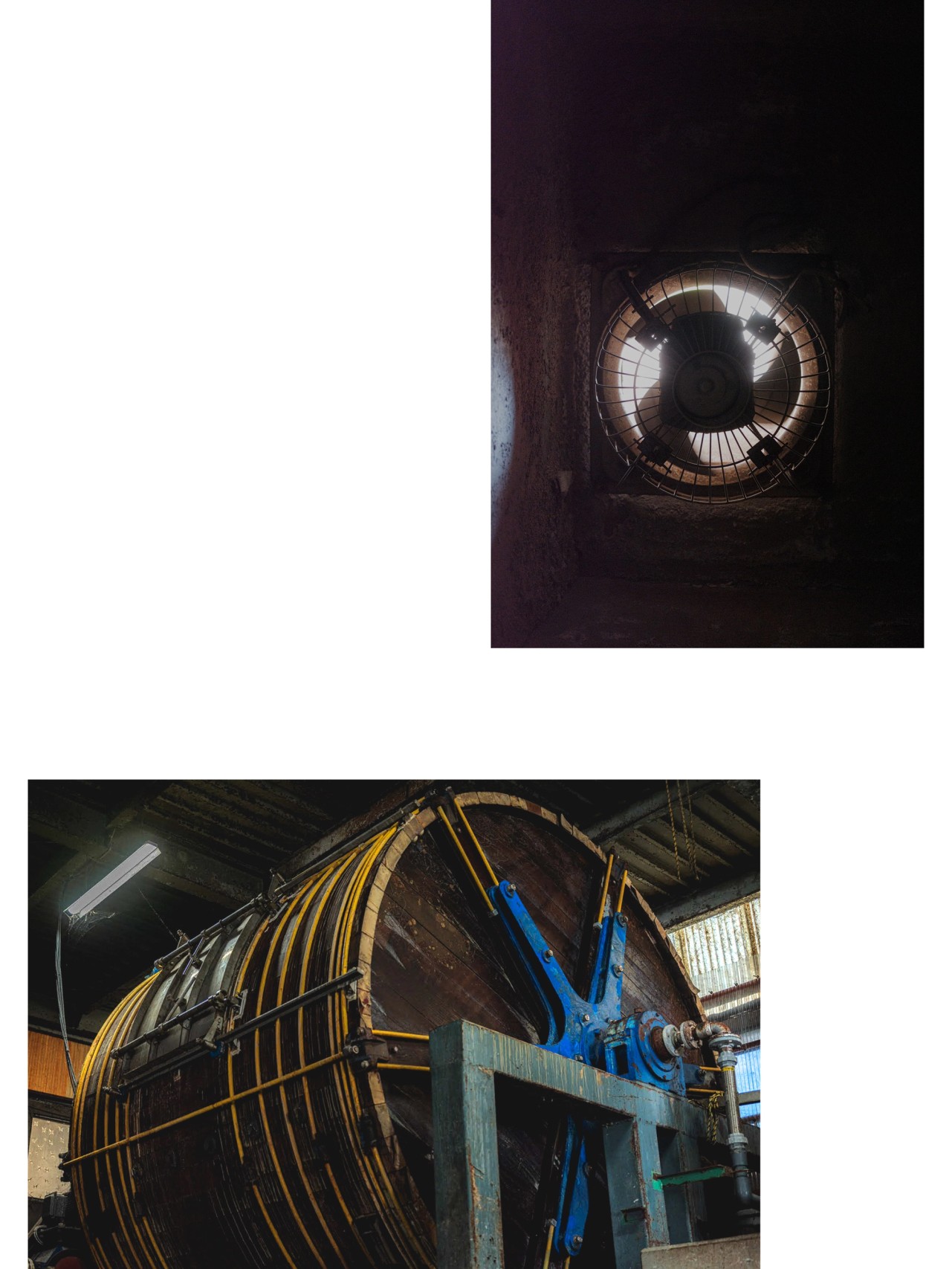
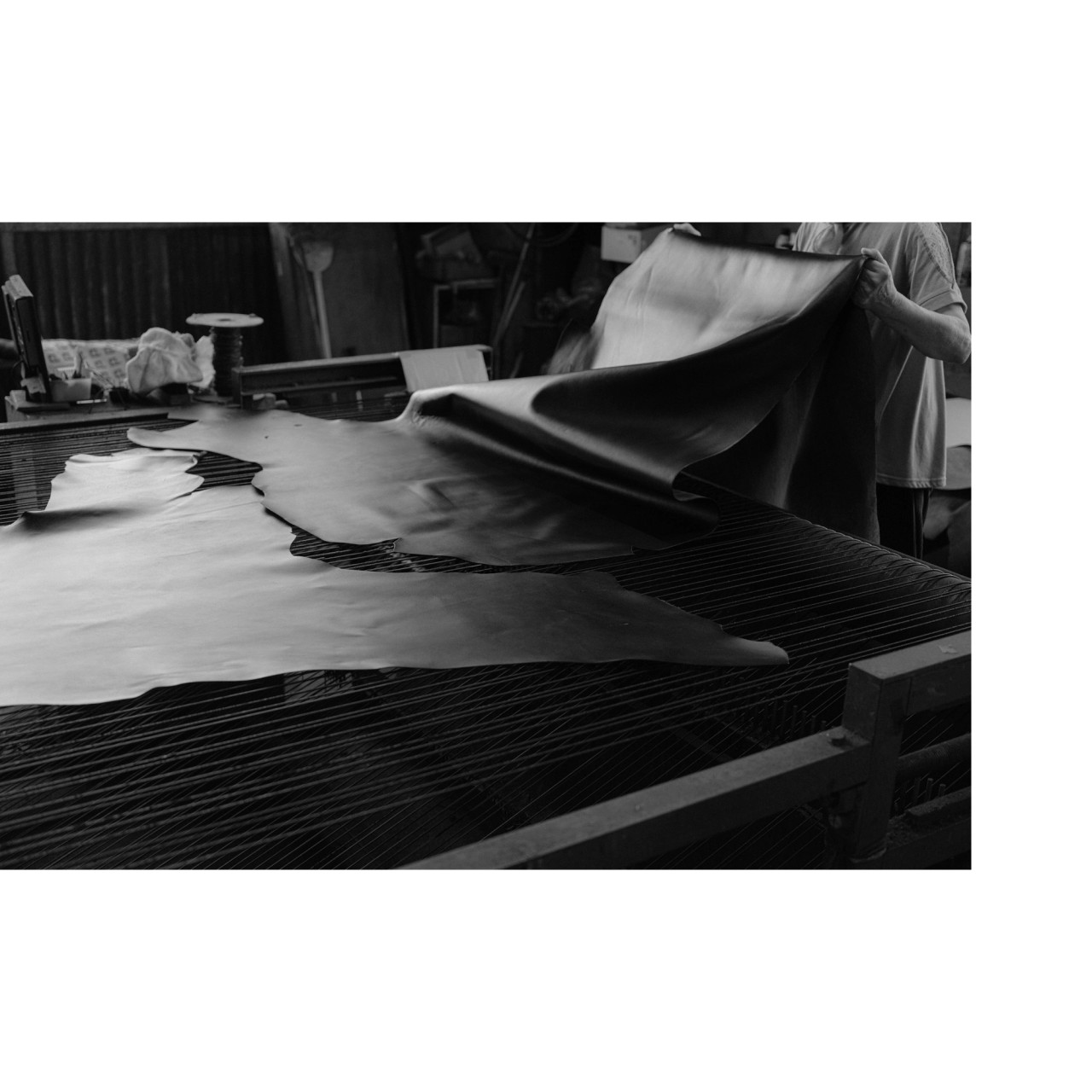
Tanning is the stage where the raw hide is transformed into durable, workable leather. The hides are placed in large rotating drums, where the tanning process stabilizes the collagen structure and develops the softness and flexibility required for finished leather. At this stage, the material is carefully shaved to achieve a precise thickness, while further refinement prepares the surface for colour and finishing.




Developing Character
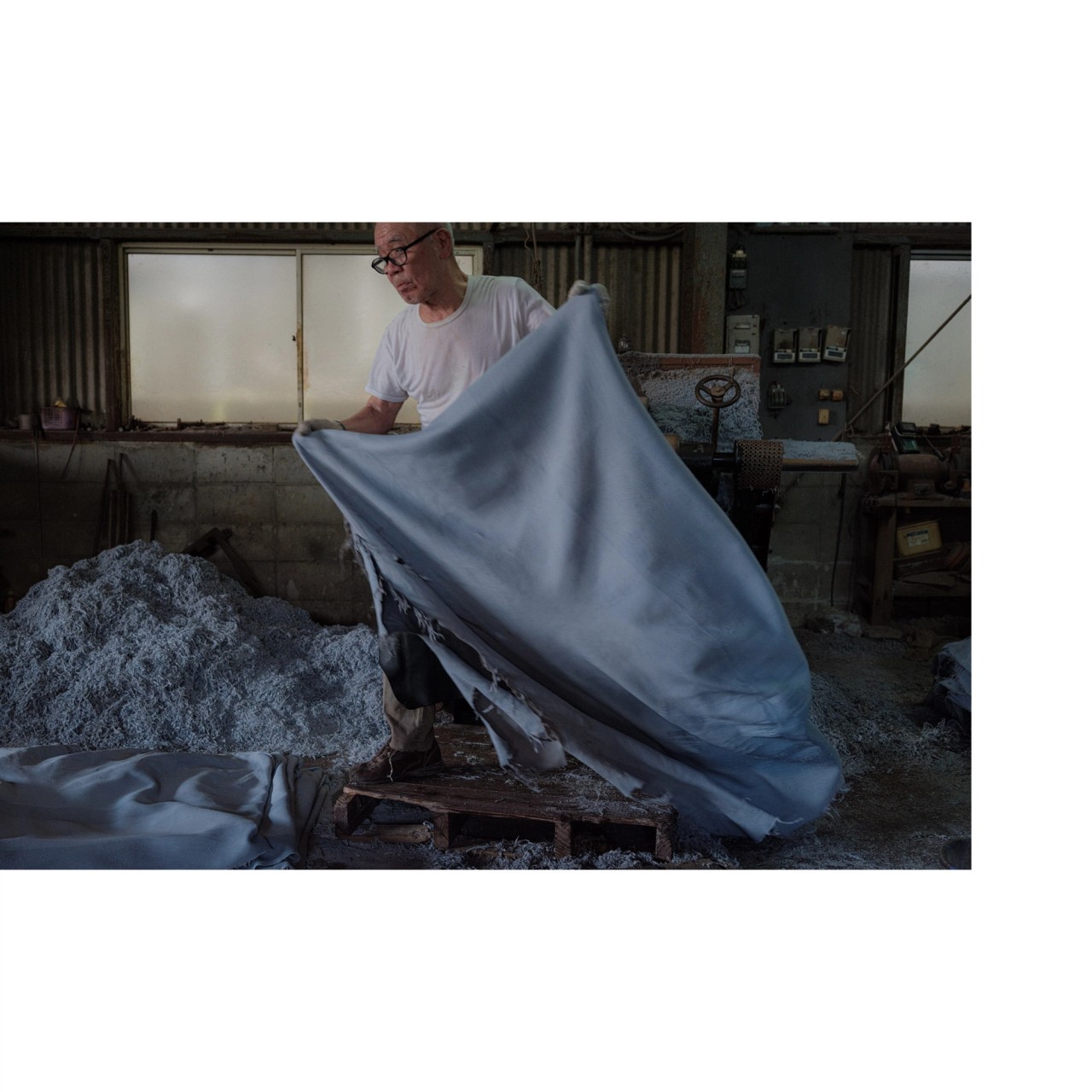
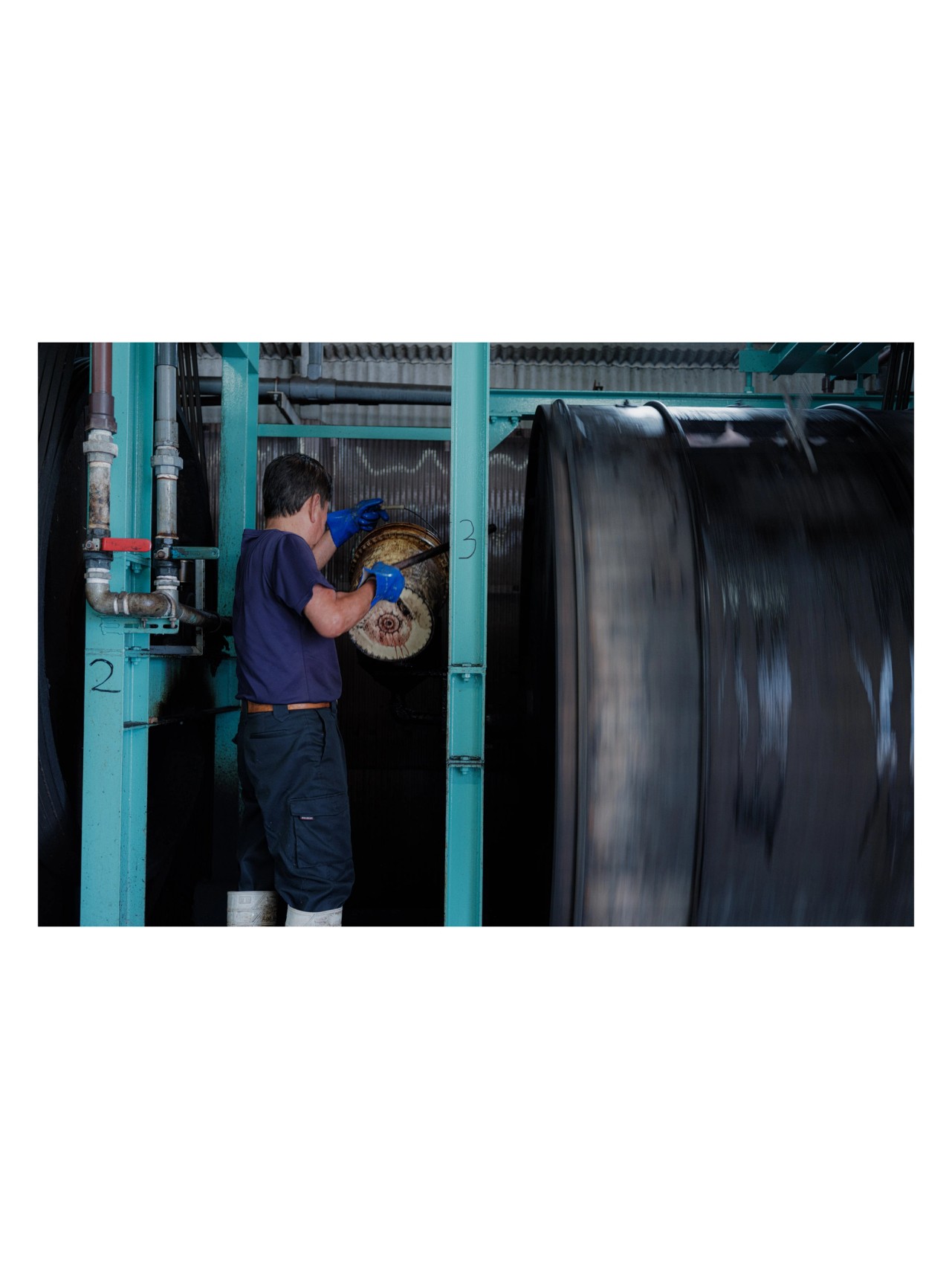
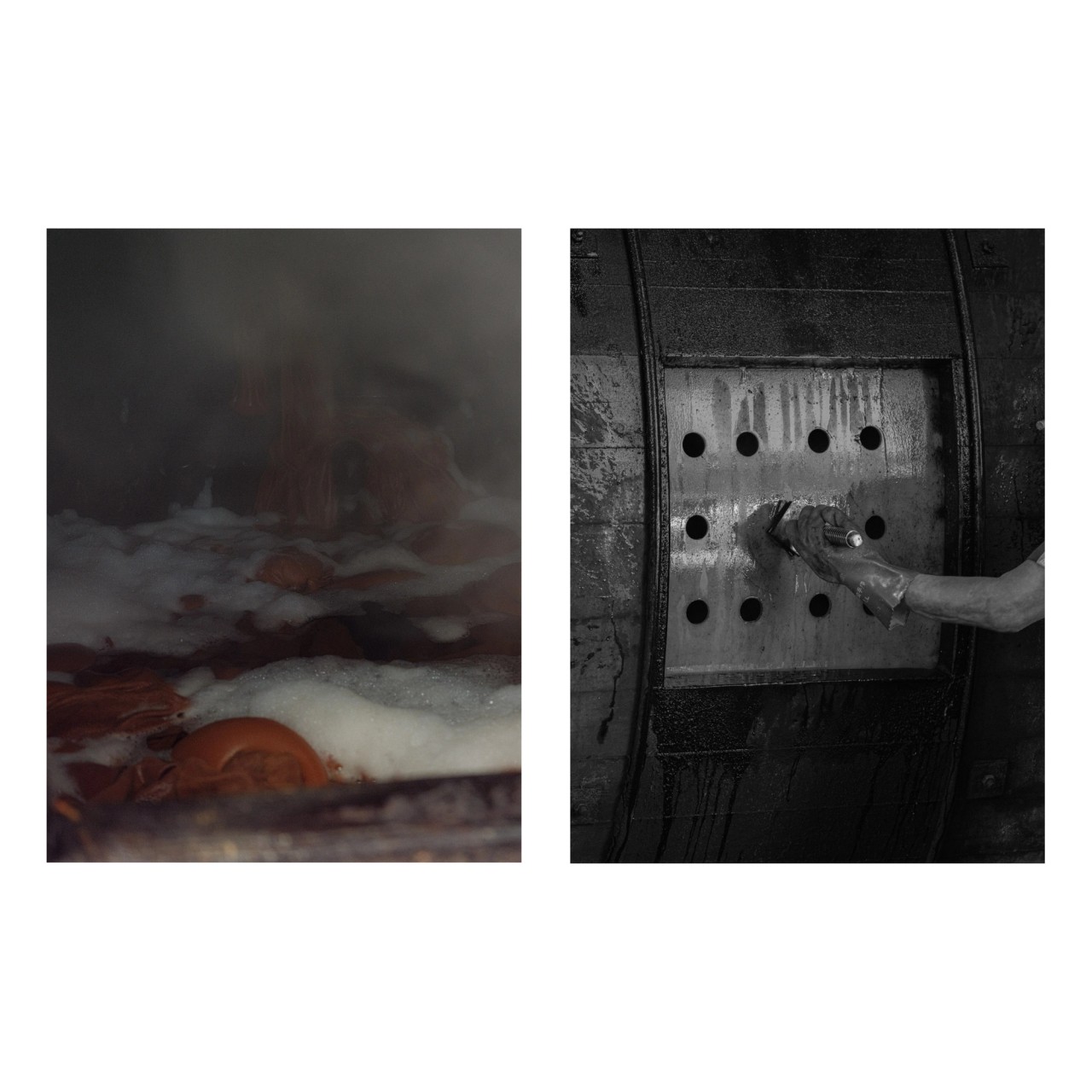
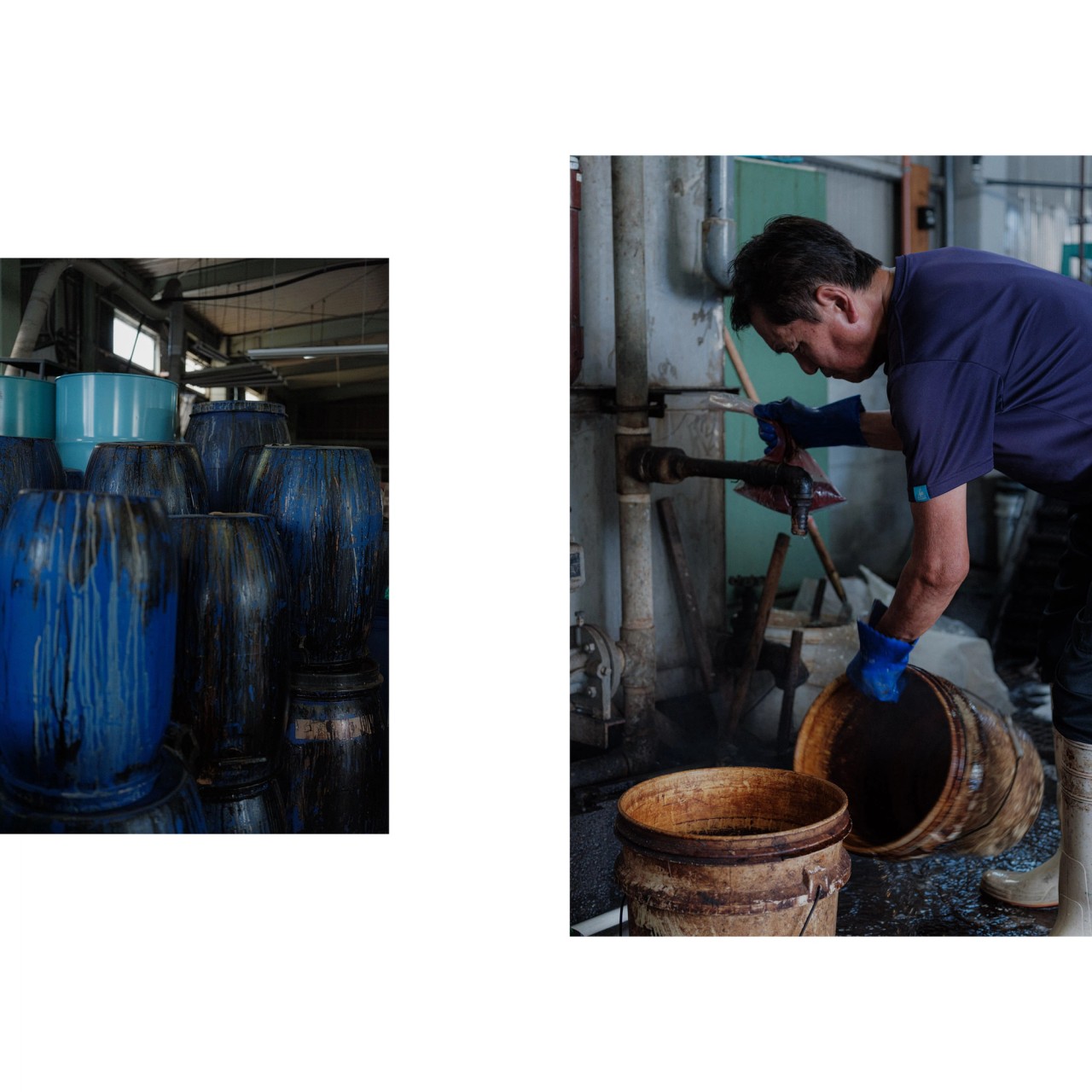
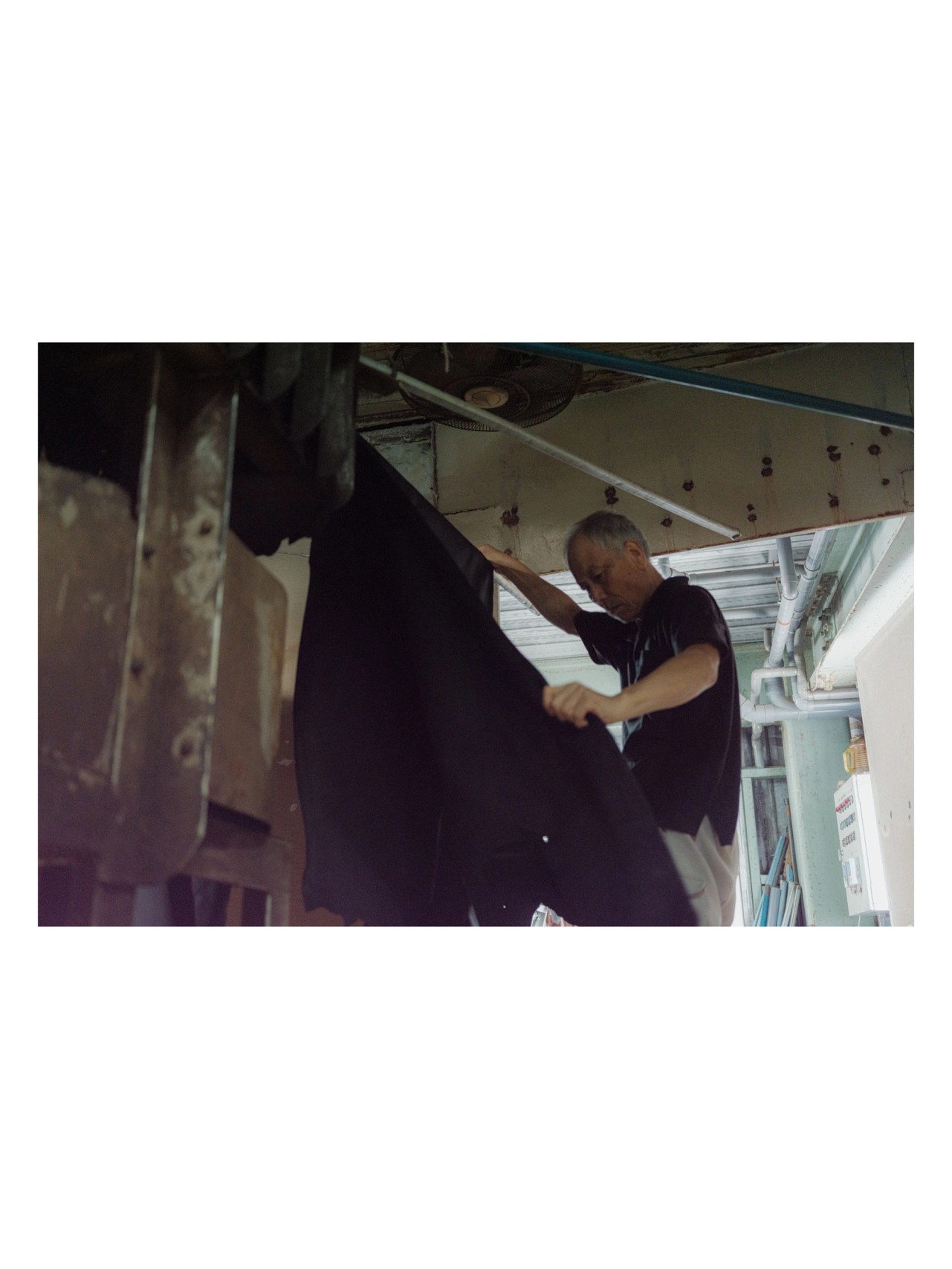
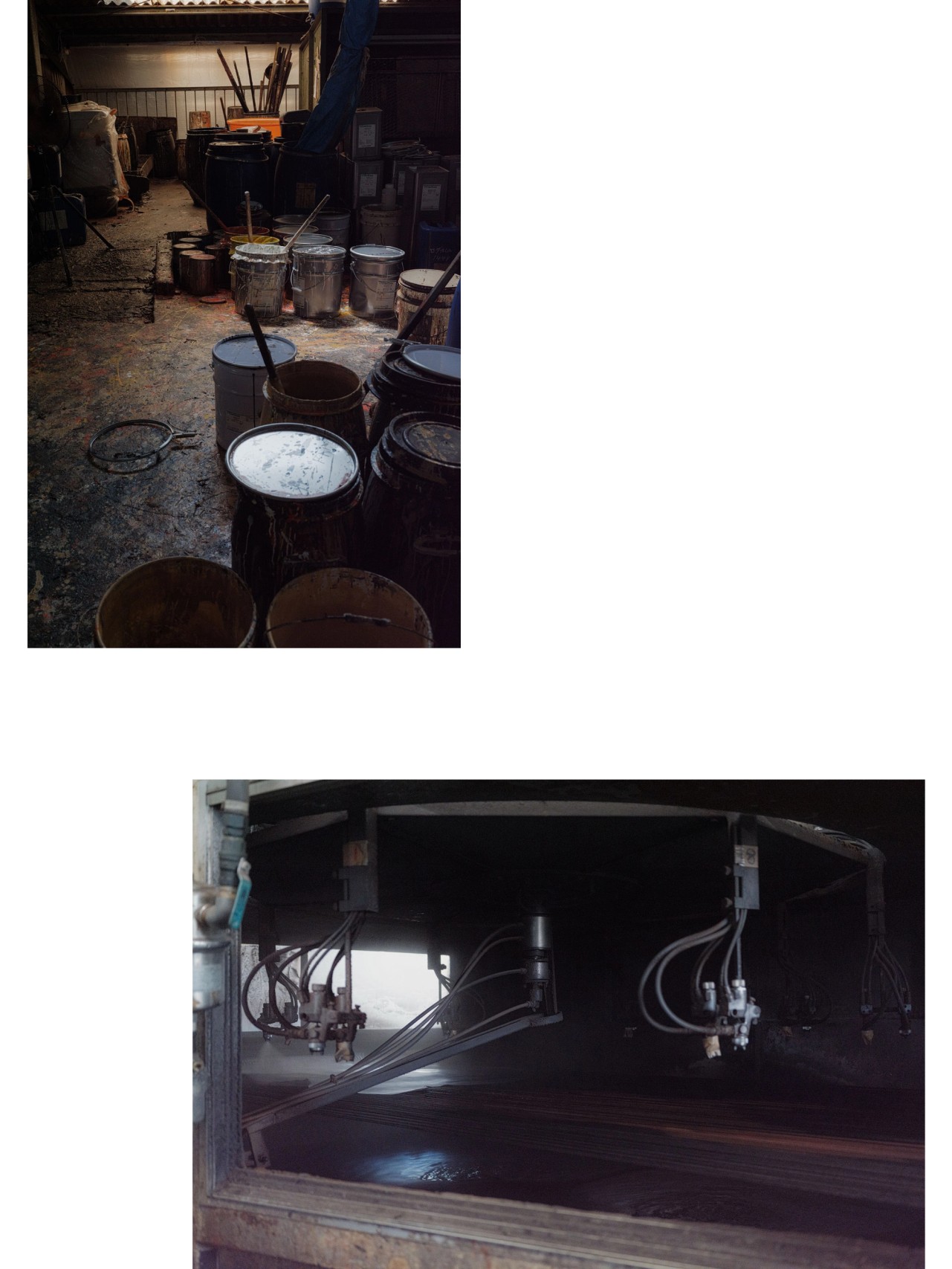
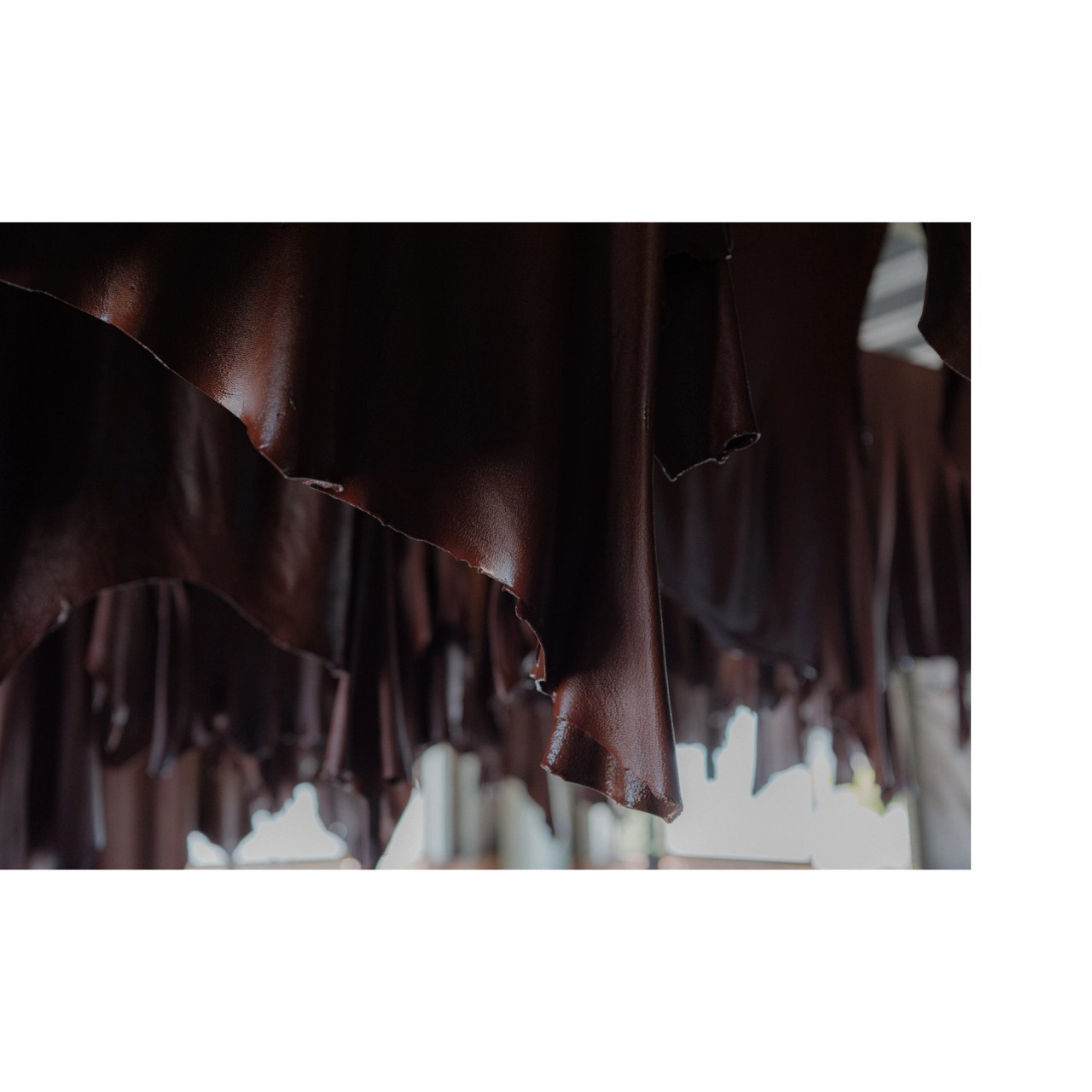
The finishing process is where the final character of the leather begins to emerge. The hides are dyed in large drums to achieve their desired colour while oils are worked into the fibres to develop softness and suppleness. After drying, the leather is conditioned to relax the fibres and bring the material into a workable state. Surface treatments can then be applied to refine its appearance, protect the material, or create a particular texture.
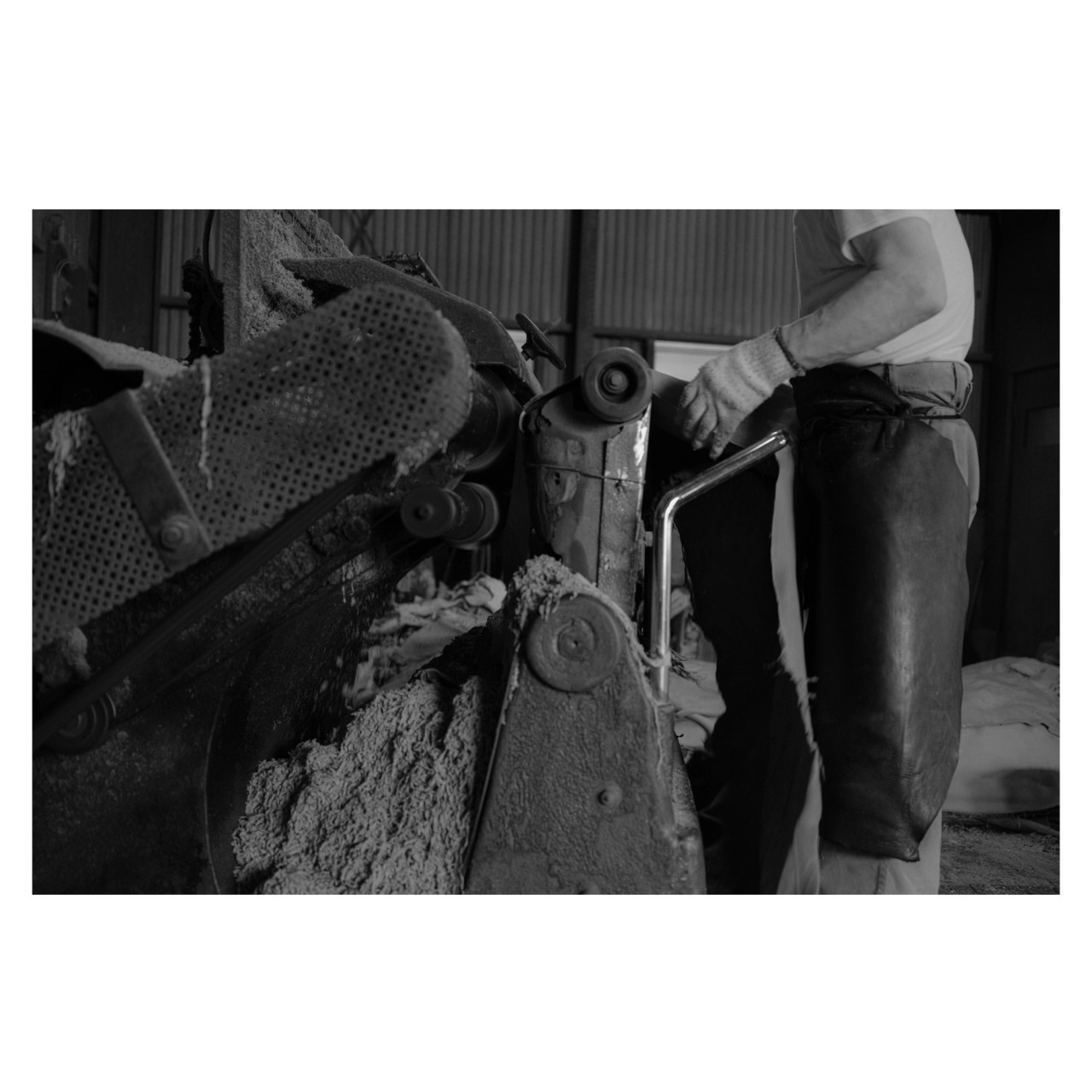
For the Station Jacket Type 01, the process takes the material in a different direction, transforming the hide into suede. The surface is carefully refined to expose the underlying fibres, creating the soft, tactile nap characteristic of suede. Achieving an even finish requires careful control and an experienced hand, as subtle variations in the hide can influence the final appearance and feel.











From Material to Garment
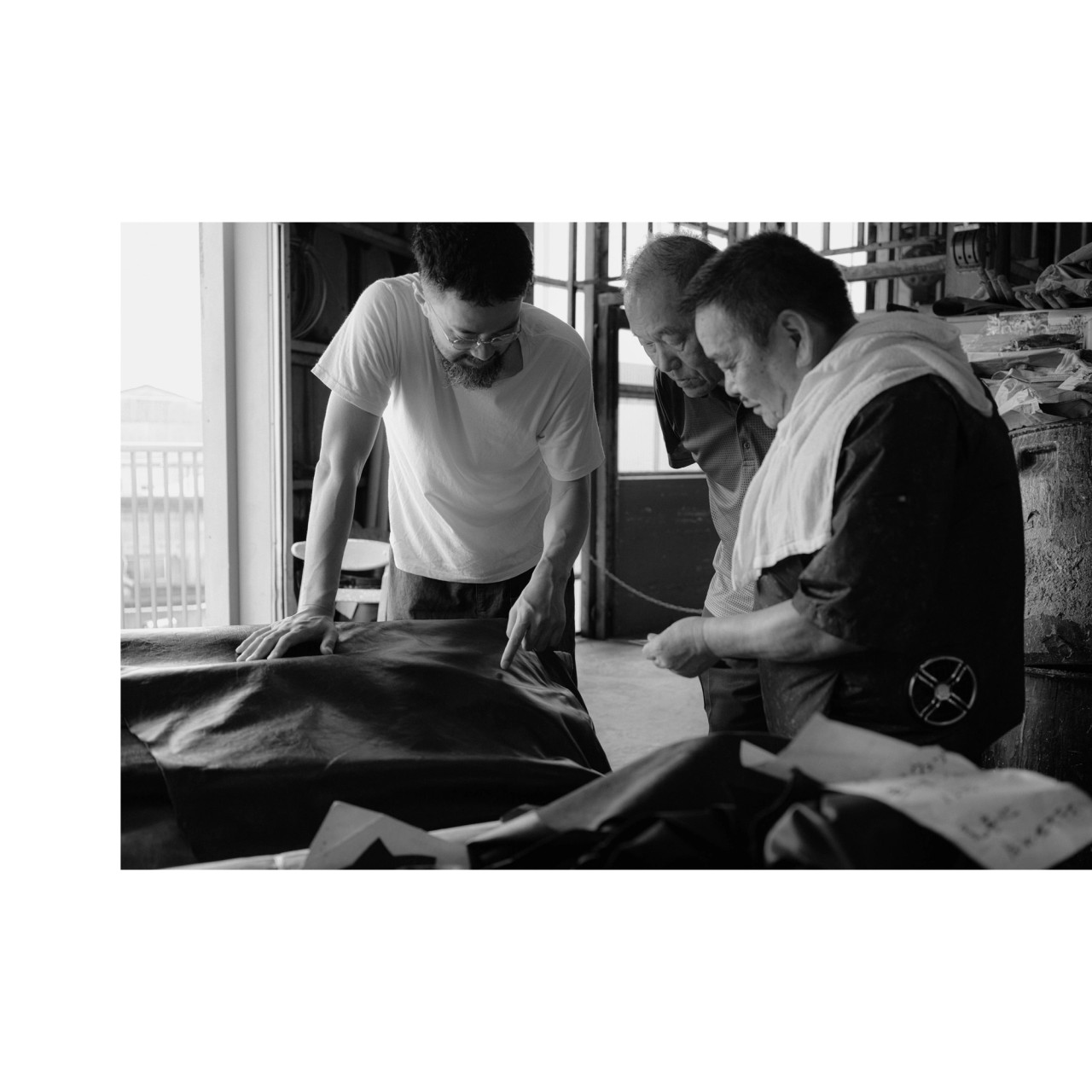
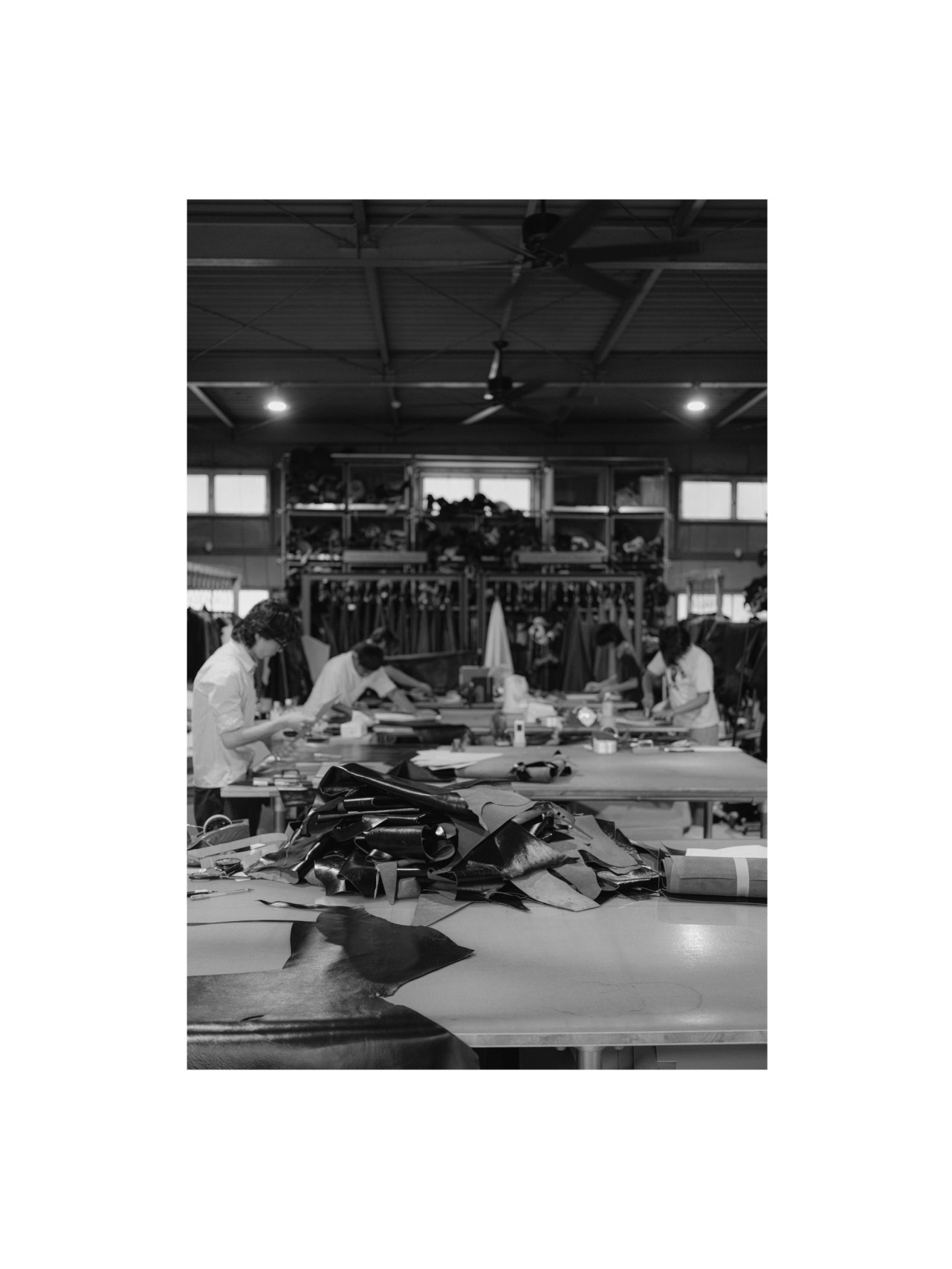
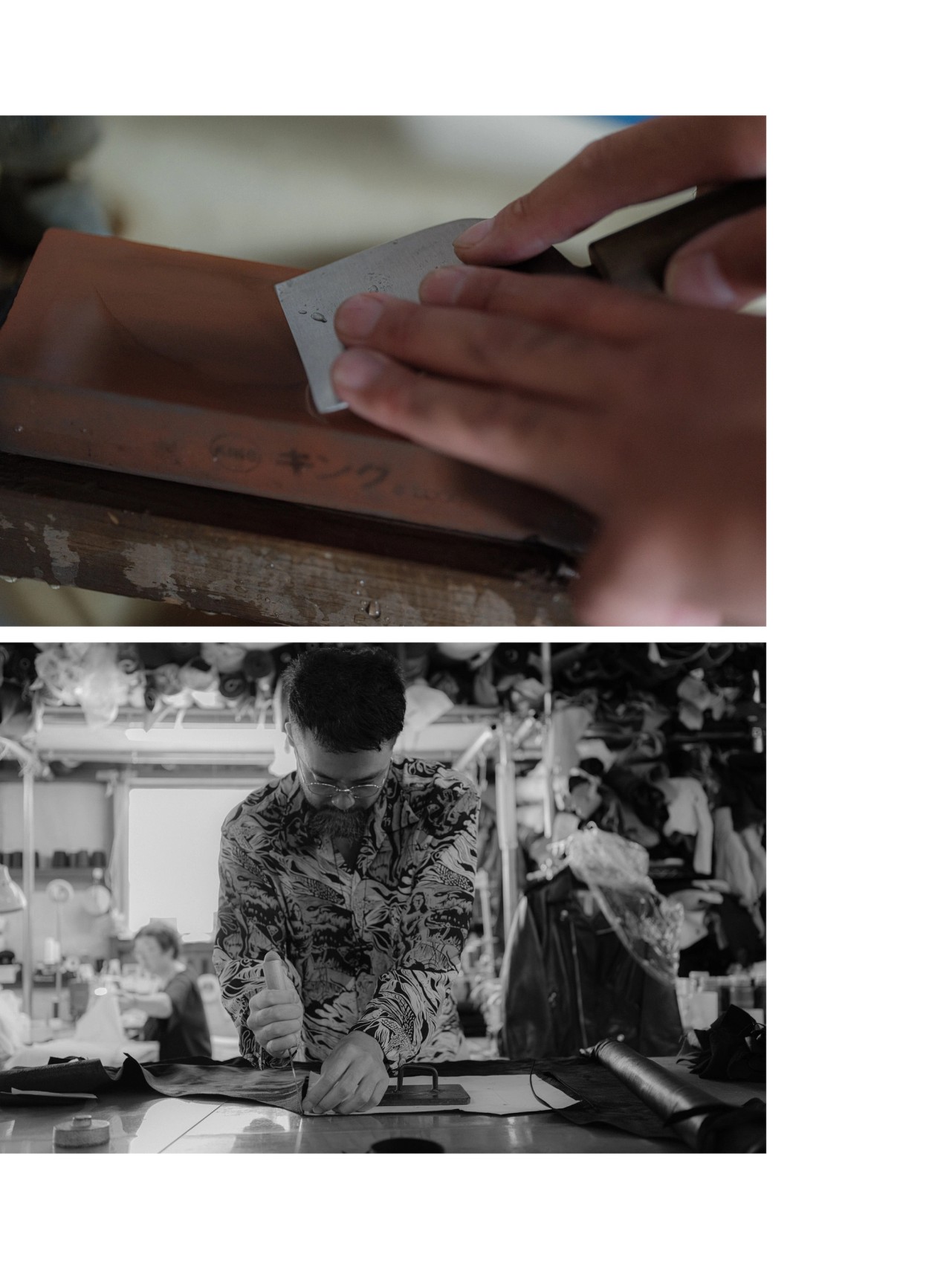
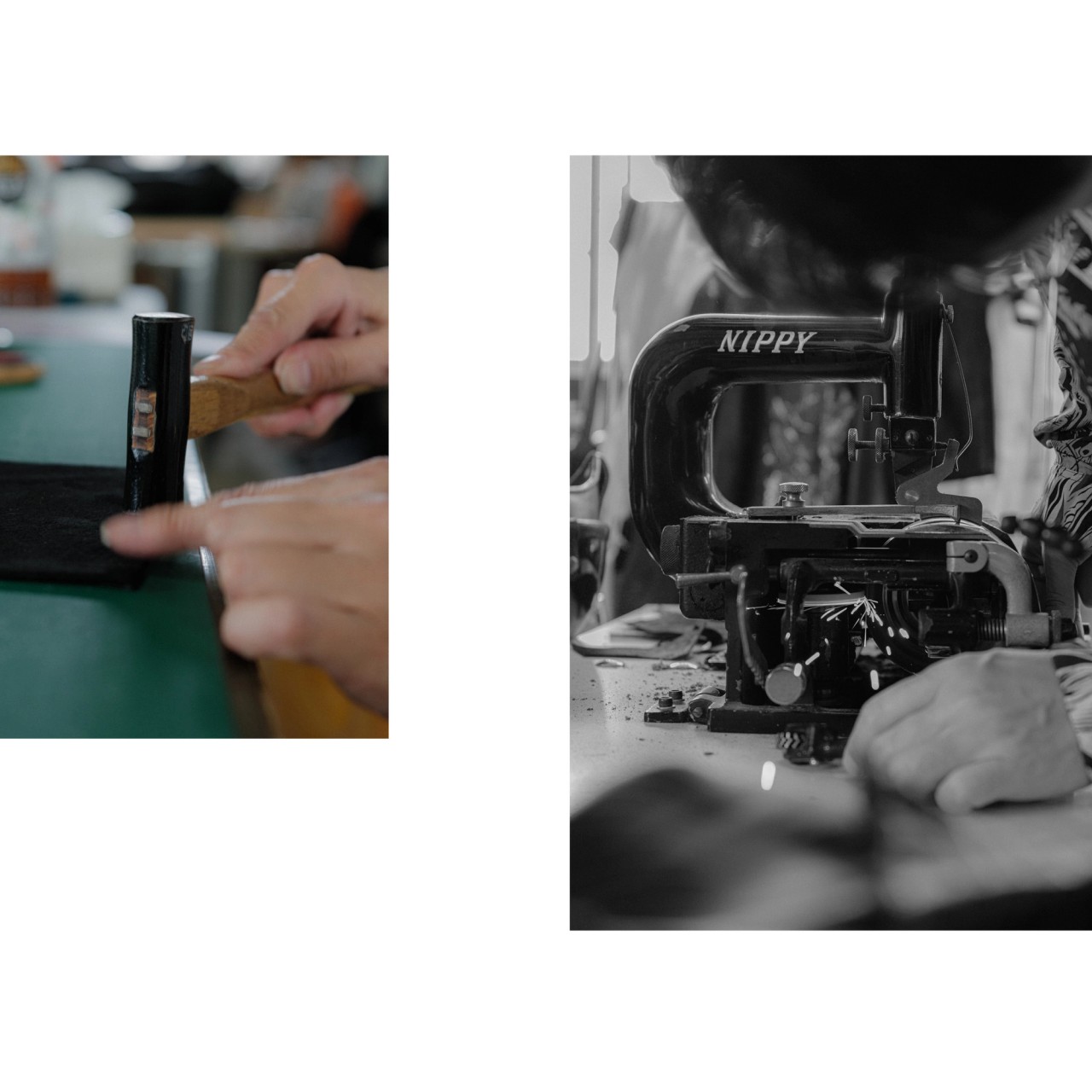
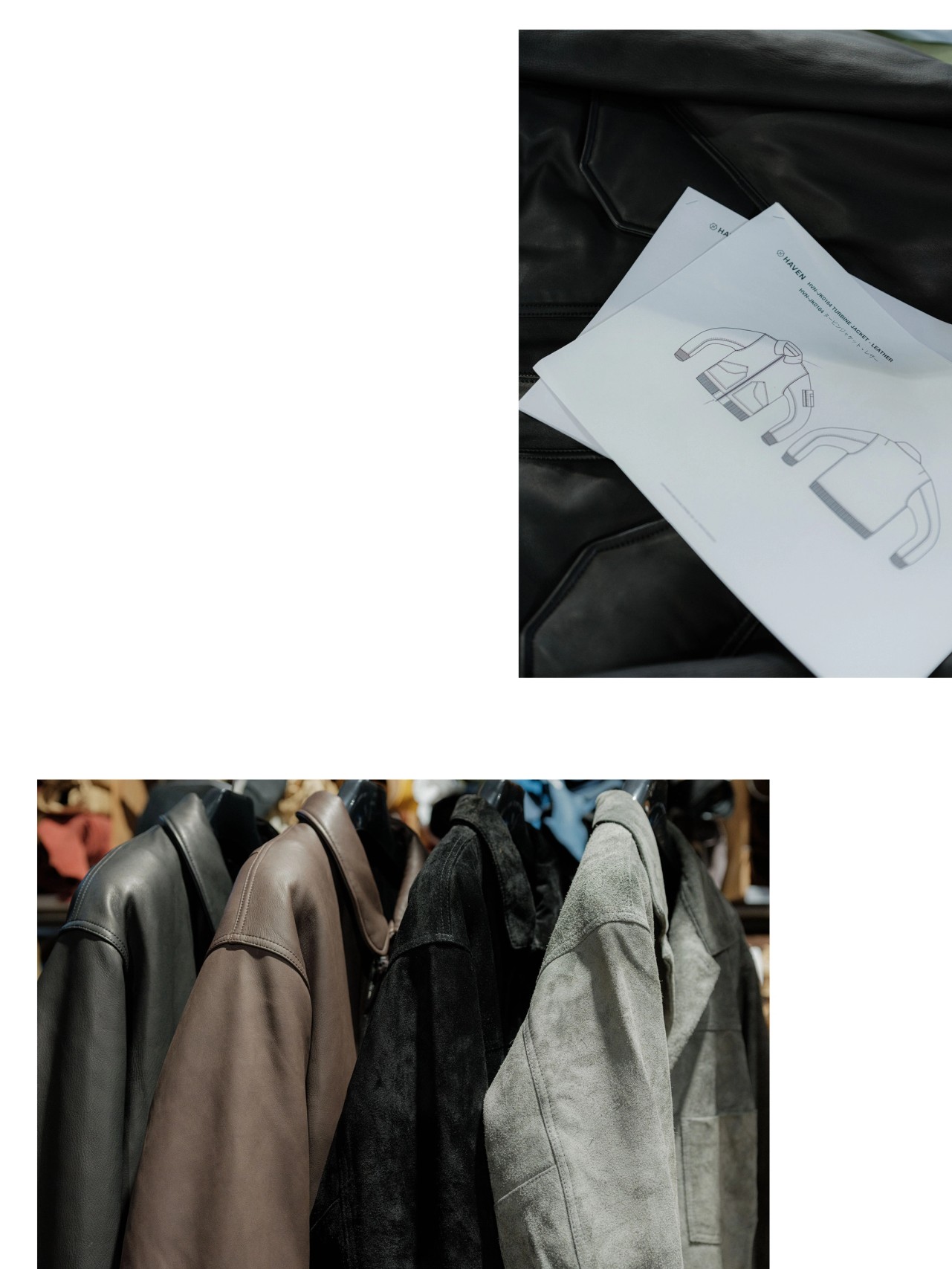
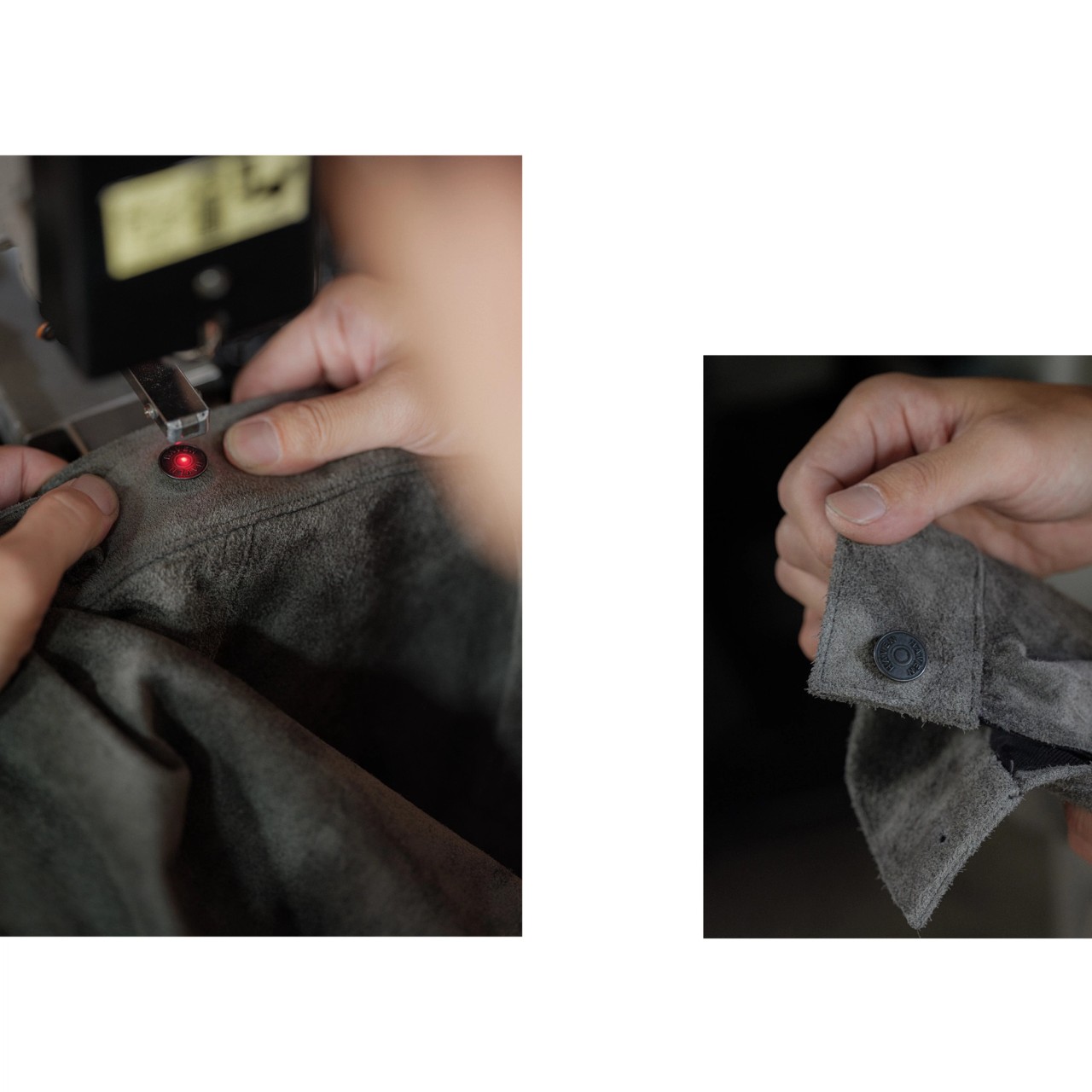
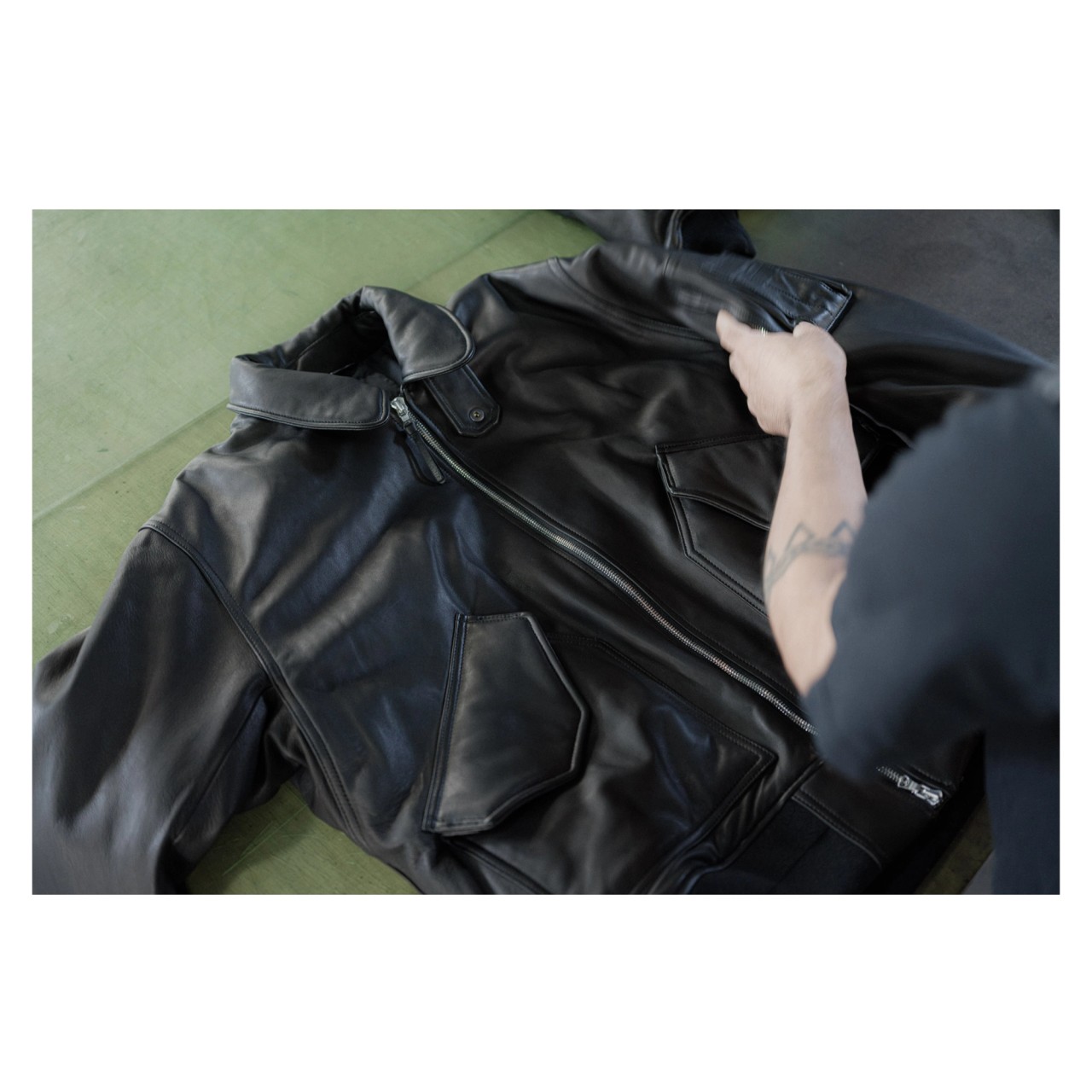
Once finished, the leather travels to Kanagawa Prefecture, where another form of Japanese craftsmanship takes over. Atsugi City is home to specialized leather workshops with extensive experience in cutting, sewing, and manufacturing complex garments. Here, each hide is carefully selected and cut according to the pattern before being assembled and sewn into the finished jackets.
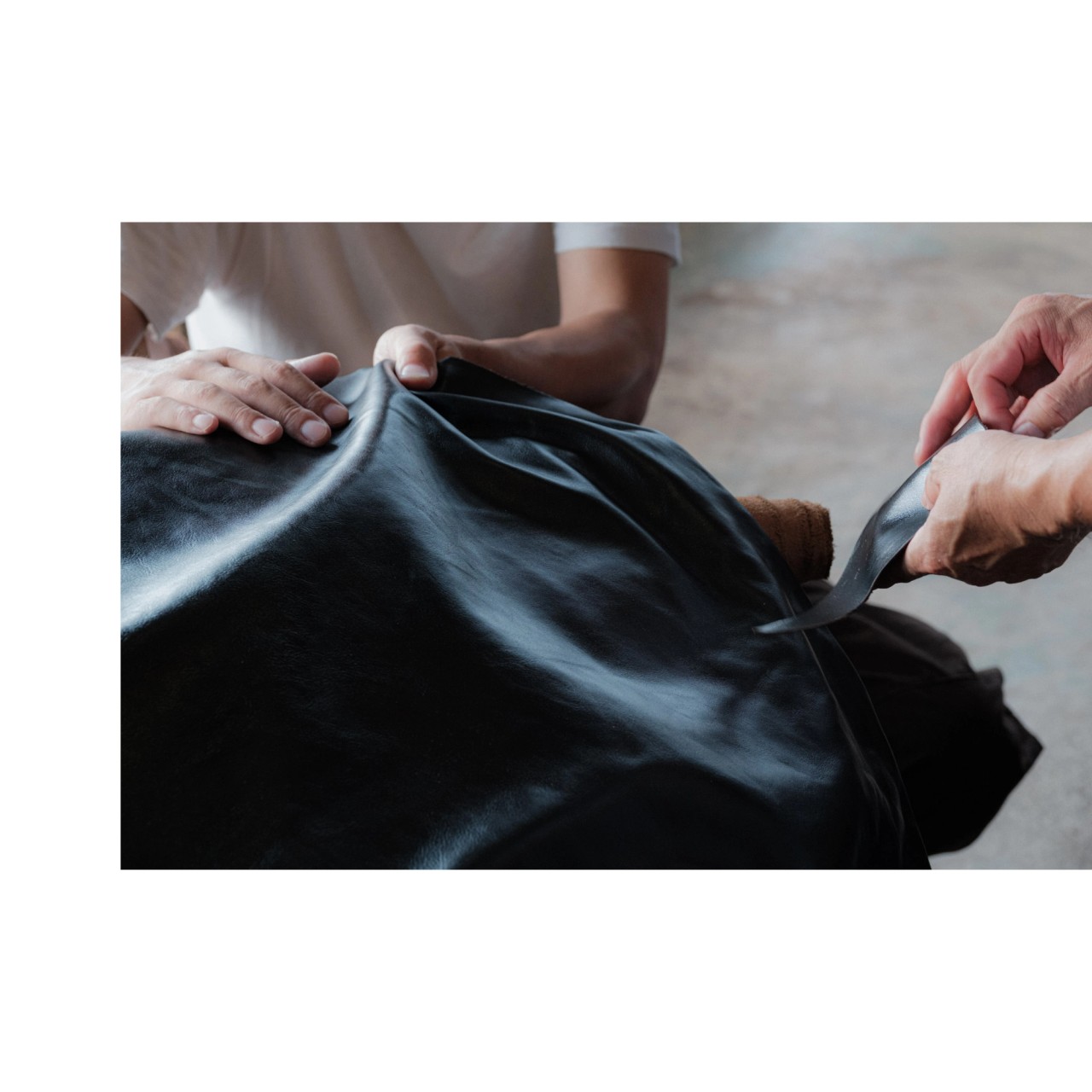
Leather requires a different approach from woven textiles. It does not behave uniformly, and every hide carries its own grain, stretch, and natural characteristics. Pattern placement, cutting, stitching, and construction therefore require a level of judgement developed through years of experience. Each component must be handled with an understanding of how the material will respond during construction and, ultimately, through wear.
The result is the HAVEN Turbine Jacket and Station Jacket Type 01: two expressions of Japanese leathercraft shaped by a process that values patience, precision, and material understanding. From Himeji’s centuries-old leatherworking heritage to the specialized workshops of Atsugi, each garment reflects the knowledge of craftspeople whose work transforms raw material into something made to be worn, used, and lived in over time.










Photographer / Videographer: Mitsuhiko Nakanishi
© 2026 HAVEN Apparel Inc. All rights reserved.